
Dr. Danish Ali on Fentanyl Being Declared as "Weapon of Mass Destruction"

Updated: Feb 3
Understanding the Opioid Epidemic: A Call for Compassionate Care
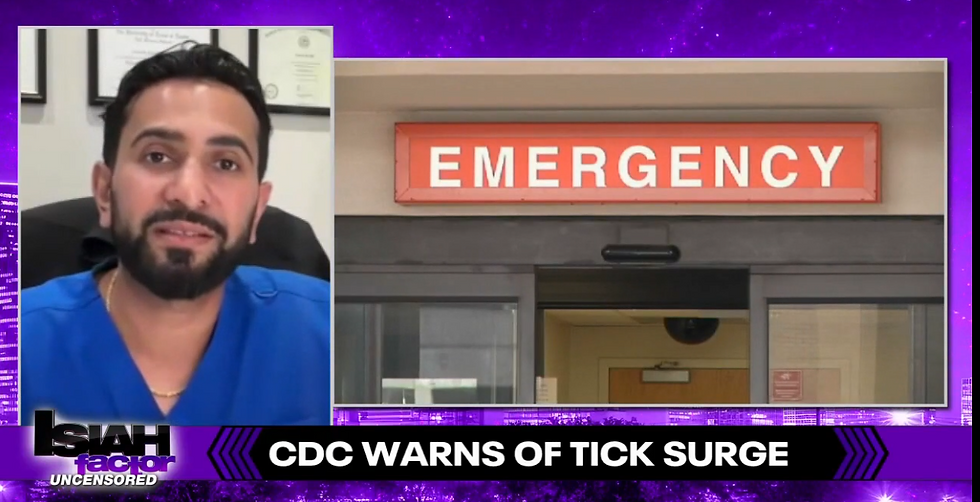
In recent news, the U.S. Government has officially classified illicit fentanyl and its precursor chemicals as weapons of mass destruction. This decision comes through a sweeping executive order aimed at addressing the ongoing drug crisis. Dr. Danish Ali has shared his insights on the implications of this significant development.
Fentanyl is an extremely potent opioid. Just two milligrams can be lethal. This alarming fact highlights the dangers associated with its distribution. The White House's actions reflect the seriousness of this issue, treating the spread of fentanyl by criminal networks as a national security threat.
The Impact of Fentanyl on Communities
The opioid epidemic has deeply affected many communities. Fentanyl's presence has escalated the crisis, leading to increased overdose rates. Individuals struggling with pain often find themselves caught in this cycle, seeking relief but facing the risks associated with opioids.
Dr. Ali emphasizes the need for comprehensive strategies to combat this crisis. It is essential to understand the broader implications of fentanyl's classification. This designation aims to mobilize resources and efforts to tackle the issue effectively.
Understanding Pain Management Options
For those dealing with chronic or acute pain, it is crucial to explore safe and effective treatment options. While opioids may provide temporary relief, they come with significant risks. Alternative therapies and holistic approaches can offer safer paths to managing pain.
At ArchPoint Pain Institute, we focus on accurately diagnosing and effectively treating pain conditions. Our goal is to help individuals regain control of their lives. We provide compassionate care tailored to each person's needs.
Exploring Alternative Therapies
Alternative therapies can play a significant role in pain management. Options such as physical therapy, acupuncture, and mindfulness practices can provide relief without the risks associated with opioids. These therapies focus on the whole person, addressing both physical and emotional aspects of pain.
The Importance of a Personalized Treatment Plan
Every individual's experience with pain is unique. Therefore, a personalized treatment plan is essential. At ArchPoint Pain Institute, we work closely with our patients to develop strategies that suit their specific needs. This collaborative approach ensures that we address the root causes of pain while minimizing risks.
The Role of Education and Awareness
Education plays a vital role in addressing the opioid crisis. By raising awareness about the dangers of fentanyl and promoting safe pain management practices, we can empower individuals to make informed choices.
We encourage open discussions about pain management options. Understanding the risks and benefits of various treatments can lead to better outcomes.
Building a Supportive Community
Creating a supportive community is essential for those dealing with pain. Sharing experiences and resources can help individuals feel less isolated. Support groups can provide a safe space for discussing challenges and successes in pain management.
Conclusion
The recent classification of fentanyl as a weapon of mass destruction signals a critical moment in the fight against the opioid epidemic. As we navigate this complex issue, it is essential to prioritize safety and compassion in pain management.
For those seeking help, ArchPoint Pain Institute is here to support you on your journey to recovery. Together, we can work towards a future where pain relief is both effective and safe.
By understanding the implications of fentanyl's classification, we can contribute to a more informed and proactive approach to pain management.
For more information on our services, please visit ArchPoint Pain Institute.
The Path Forward
As we look to the future, it is crucial to remain vigilant in our efforts to combat the opioid crisis. By fostering a culture of education, support, and compassion, we can create a safer environment for those affected by pain. Together, we can make a difference in the lives of many individuals seeking relief.


Comments